
Transformers in the real world: Interlude (background)
Taking a step back to provide background to the “Transformers in the real world” articles: How science-fiction can influence modern technology and the potential and risks with modern AI and robotic technological developments.
PELYBON
Noel Butterworth
2/26/20267 min read
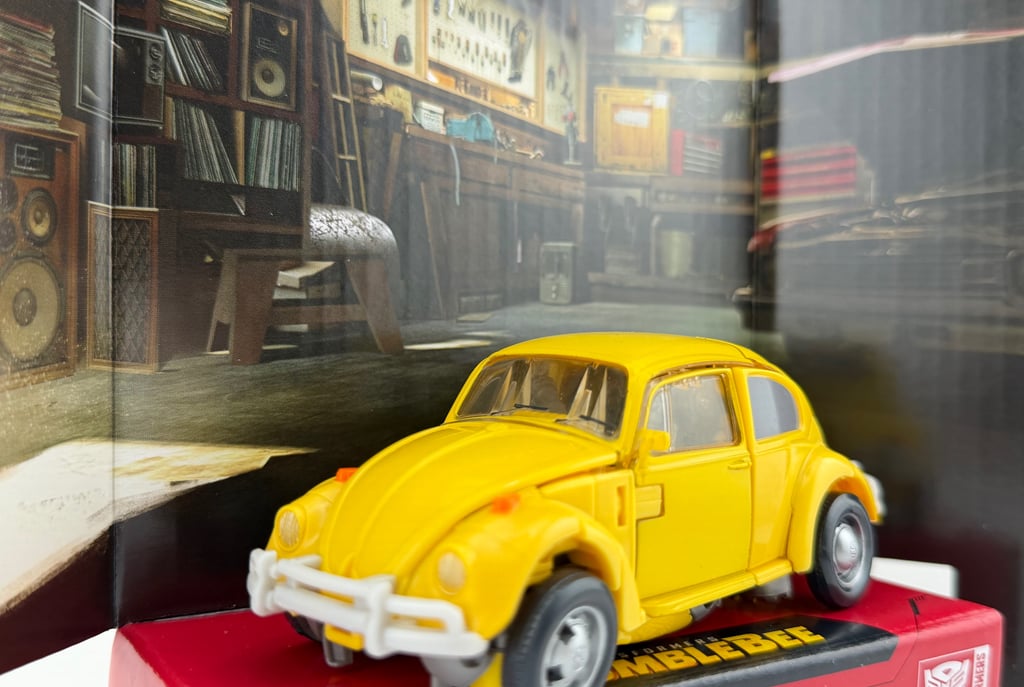
An icon of modern Transformers- the VW Beetle form of Autobot Bumblebee
As an interlude to the articles looking at the potential of Transformers-esq technology in the real world, a reflection on the basis of these articles (note- some of this was originally posted on LinkedIn, December 2025).
As a longtime sci-fi fan and a fan of robots since I was 5, seeing Star Wars’ R2-D2 in early 1978, I’m somewhat amused and bemused by the increasing number of posts and news articles speculating on AI and robotic technology. It even made the front page of the Financial Times with an article about December ‘25’s iREX robot festival in Tokyo and the rise of “Humanoids”. Personally, I prefer the name “mechanoids” and we’ll see how long before that takes over from “robots” as a term.
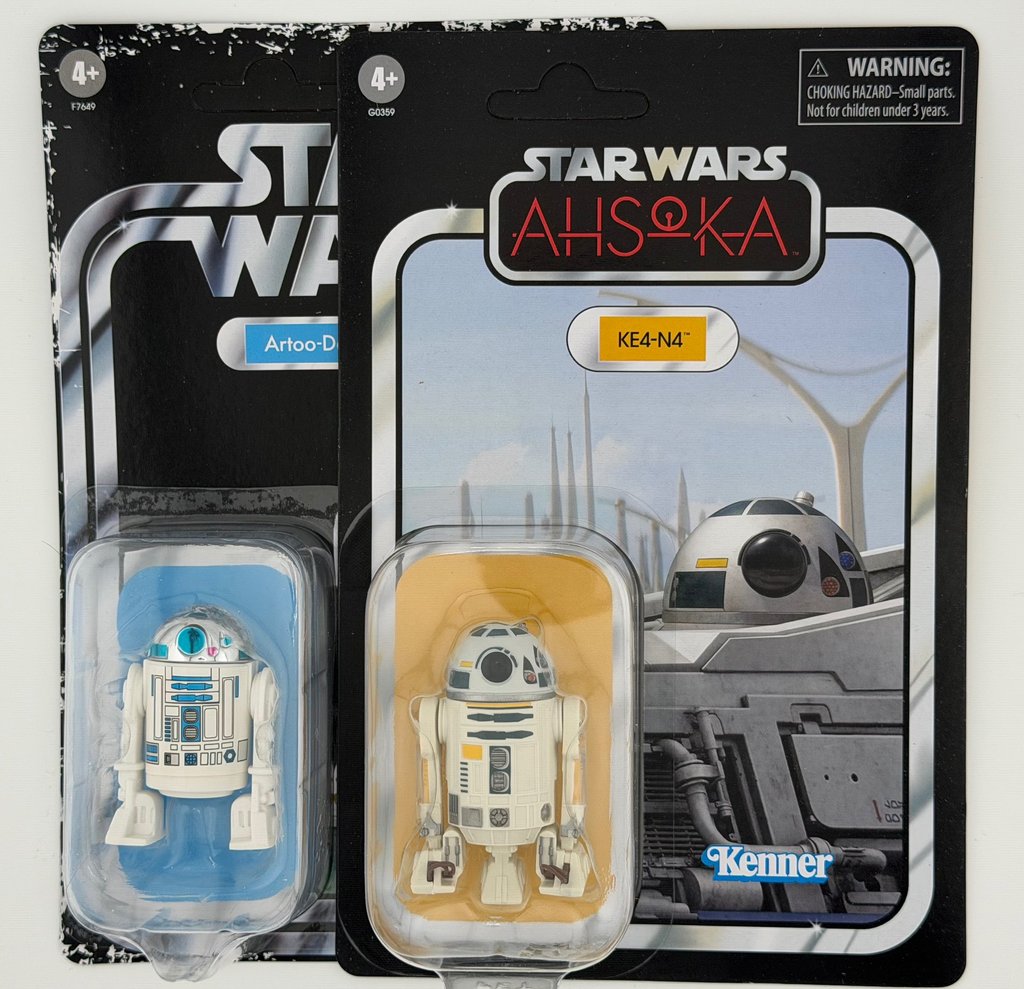
The evolution of R2-D2’s toy design? See: “Are you too?”
There’s hundreds of types of robot designs over that past few decades, why does AI constantly use the sterile white humanoid form in images?
Science-fiction has always been able to offer potential future scenarios of technology, flagging both the potential and risks of Artificial Intelligence, robotics and even the combination of both. However, whilst many people focus upon and criticise science-fiction for potential panic-inducing scenarios, often overlooked is how science-fiction can influence the real world: the 1996 Motorola StarTac flip phone was noted as being based on the communicator in Star Trek (The Original Series), as example.
Interestingly, a recent BBC News article on AI (one of the many, many articles currently) noted a study that speaking to ChatGPT as if it was on Star Trek created better results. Could it be that with the numerous cultural influences AI has access to as source data, the science-fiction based media, could be a heavy influencer of generated content and results? Perhaps giving AI access to fictional tales about the impact of AI, such as how AI can overcome “kill-switches”, for example, might be a bit of a risk? (Not saying AI could develop sentience to choose to do this, but with these fictional stories as a baseline of data, it could easily mimic). Has anyone noticed how many AI generated images featuring robots use the same design-style of robot? There’s hundreds of types of robot designs over that past few decades, why does AI constantly use the sterile white humanoid form in images? Is this AI trying to tell us something?
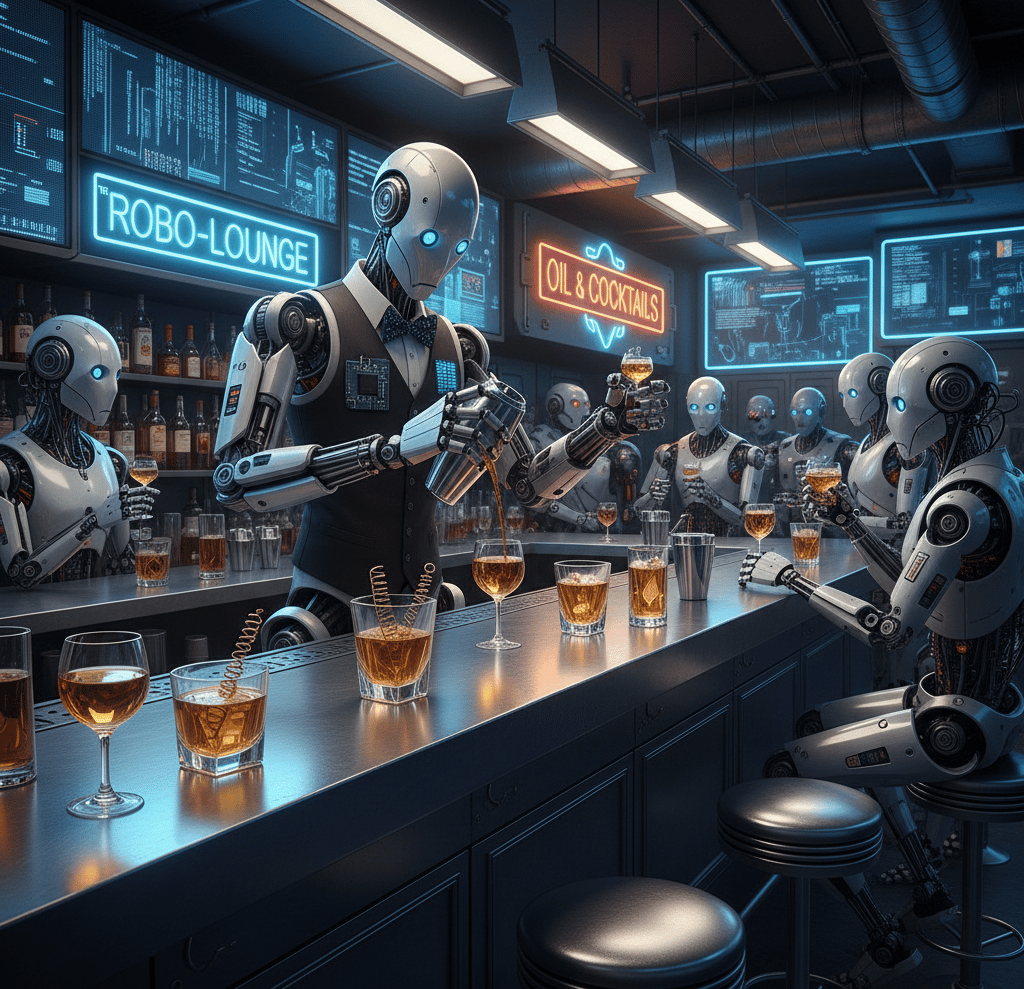
Every AI image I’ve created with reference to robots and/or AI gives the same design of robot. Is AI trying to tell us something?
At least two films in the recent past have shown Steve Jobs-esq entrepreneurs showcasing their new AI-based robot technologies with product launches akin to Apple’s annual iPhone launches (Netflix’s Next Gen (2018) and The Mitchells vs The Machines (2021)). I’m opting for the Steve Jobs-esq analogy rather than the more realistic yet disturbing Elon Musk-esq analogy (whom literally is aiming to mass-produce a robot assistant currently codenamed “Optimus”). Thus whilst these developments progress, as someone that’s been into robots and robotic technology since I was young, its interesting to see how the general populace is reacting to the increasingly realistic robotic technologies that could become everyday household objects and mainstream technologies.
As a fan of Transformers, the evidence of the influence of their functionalities and design forms are already present in everyday objects and potential future items. Hence, as I’m combining my fictional and factual interests, here’s a look at the technological feasibility and potential of my favourite mechanoids.
1. Can/would we develop robotic technology that could feasibly change form?
✅ Yes, we are already developing technologies with that functionality as a basis. Plus there are many designs of products and equipment heavily influenced by the Transformers toys (partly due to designers that grew up with them). Designs that can change form;
➡️ For aesthetic reasons- to be “clean” and hide the clutter of a technology
➡️ For function, for example to ‘fold-away’ and save space.
2. Would we have cars turning into robots?
❓Technically it’s likely to become feasible, the question has to be what practical use would there be for a 5m high robot? What would you do with it? But a bipedal form of human height, that had a vehicular form like a drone- delivery vehicle, perchance?
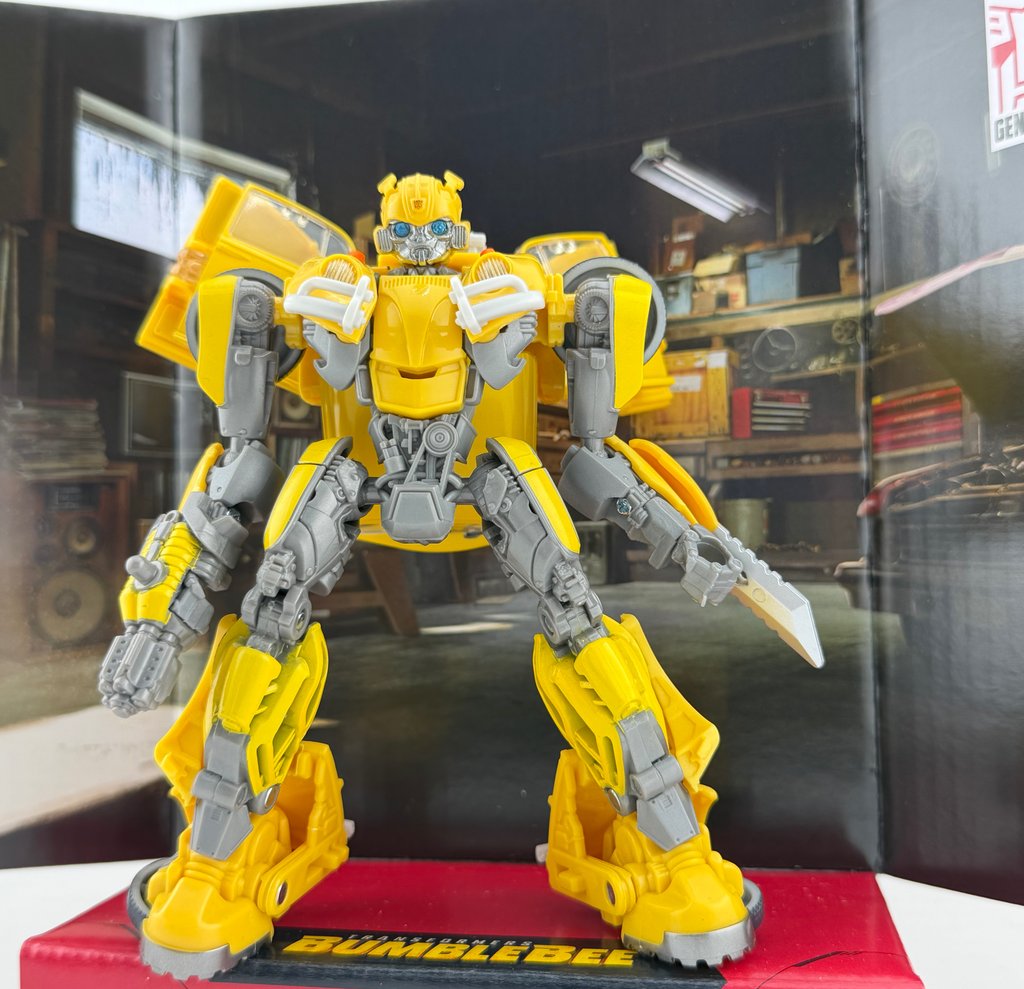
The Bumblebee movie showed the impracticality of storing a large robot in a garage.
3. Could we have military equipment that changes form for the environment they’d be used in?
⚠️ Absolutely, it’s completely feasible to have a drone with flight capabilities that could alter form for ground assault (see issue 2, and I’ll be returning to this topic in future issues)
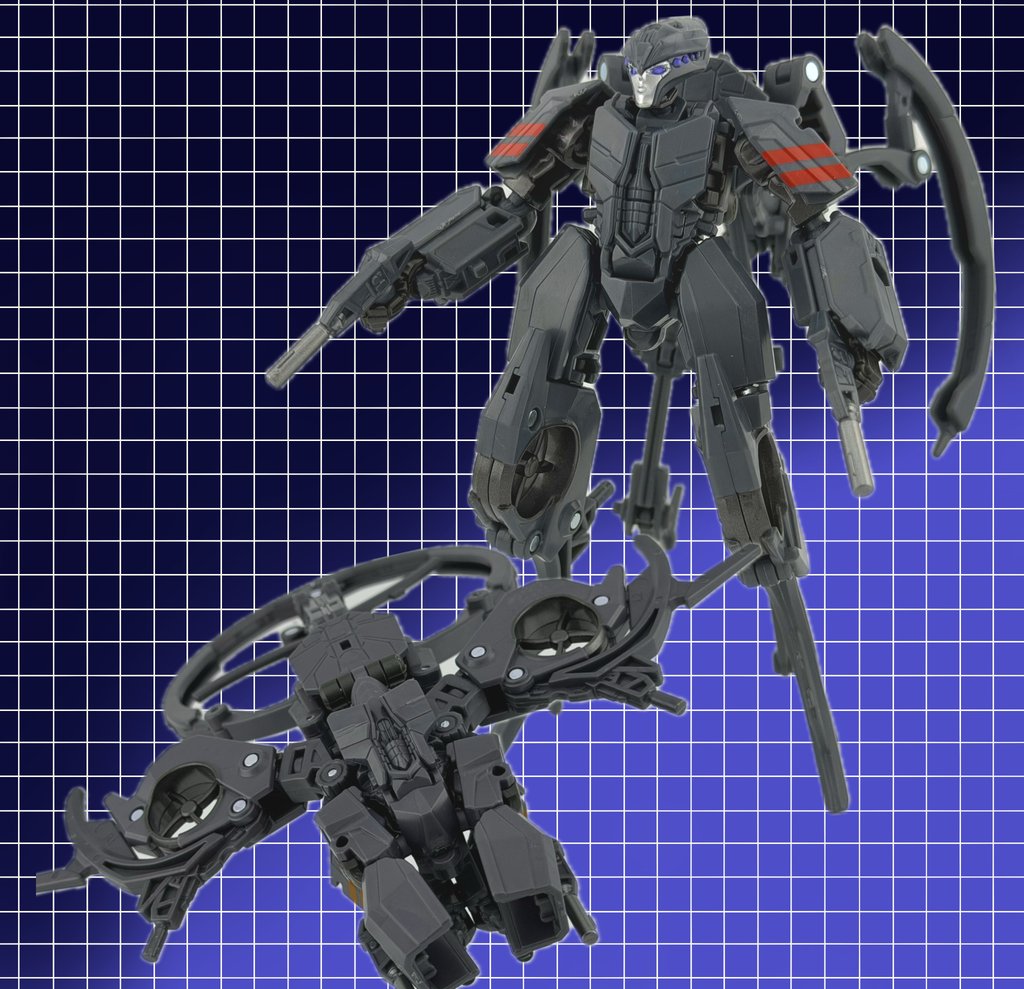
Drones and Transforming technology is discussed Transformers in the real world #2.
4. Could we have medical equipment with transformation capabilities?
✅ Yes, and would likely be for fit, form, function (see point 1 and I will certainly be returning to this topic in a future issue)
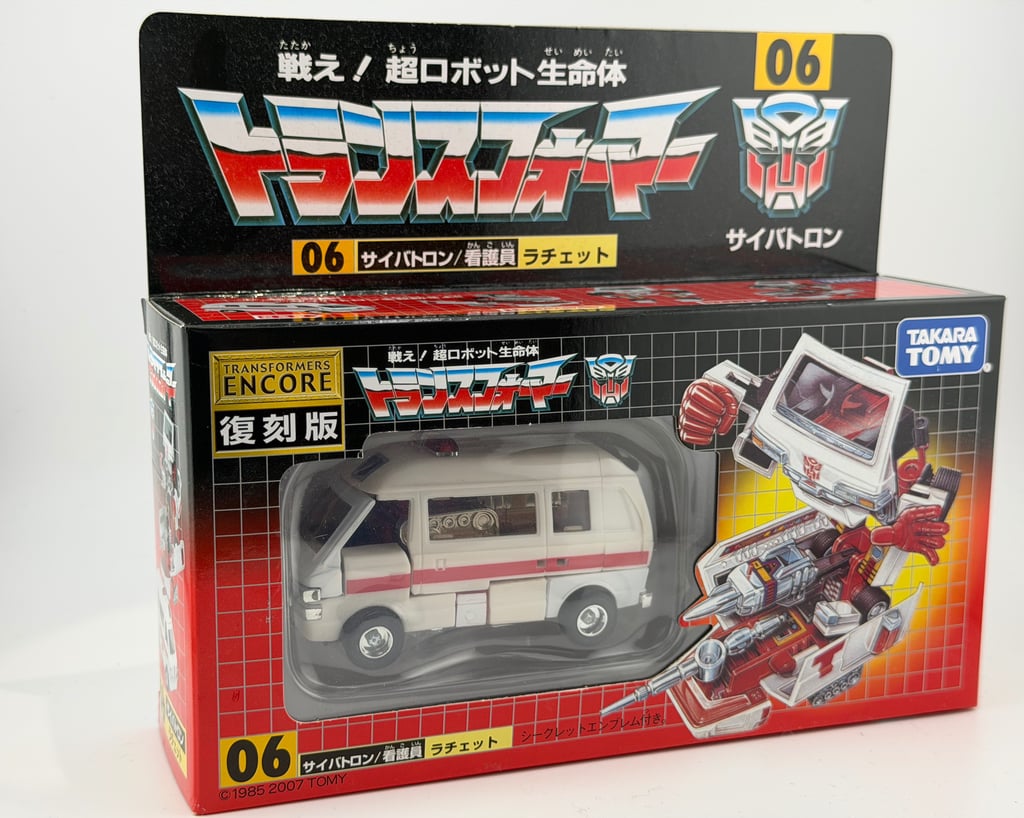

Surgical Robot technology in the field?
5. Could there be robots with sentient intelligence?
⚠️ AI is already giving an appearance of basic sentience, by replicating character. Therefore, algorithms could feasibly evolve to give a more realistic appearance of sentience. Whether that evolves to be truly sentient is a key question that no-one can successfully answer.
6. Could a robot feel pain?
⚠️ Already we are being told to talk respectfully to AI chatbots (see the BBC News article referenced above), which implies that they can be offended. Again, this is coding that can give the appearance of being so, which could become more sophisticated. It could be feasible for a robot to be damaged and calculate an impact of such damage, giving the impression that it is disenchanted to be functioning <100%. Beyond that, depends upon 5. above.
7. Could robotic ‘life’ come from other planets?
Firstly, I’ll align with former President Barack Obama’s comment that we can expect there to be some form of other life (alien life) in the universe. The statistical likelihood is significant for other forms of “life” existing (see linked article above). This doesn’t necessarily mean intelligent life, with the statistical likelihood of intelligent life evolving akin to ours on Earth, being low. However, that’s statistically > 0, meaning it’s feasible. Obama’s comment and resulting clarification needs to be seen or read in context, rather than the media (and current President) making a mountain out of a molehill.
➡️ Assuming there are small pockets of sentient life across the galaxy or universe, they would be bound by the same laws of physics and likely determine it is not possible to travel the great distances. Therefore, sending robotic probes is more feasible and likely (we ‘Terrans’ have already done it).
➡️ Imagine providing AI technology to such a robotic technology with a simple instruction to constantly evolve for its own “maintenance” as it journeys for tens of thousands of years. Could those algorithms create an “evolution” that would develop complex robotic forms that could adopt, “transform” to any environment? Could it adopt to disguise itself in alien societies to observe but be undetected? (A version of Star Trek’s Prime Directive of non-interference). Could it evolve to develop sentience over such a large time-period?
We view AI and robotic technology in terms of near-future capabilities and opportunities. Science-fiction has always looked further and with the current pace of development it’s difficult to foresee how exactly this technology would be for humans in time-jumps of 50 years, 100 years, 500 years, 1000 years etc. Hence, the feasibility of a deep space robotic probe ‘evolving’ over thousands of years to be able to reach another civilisation? I can imagine it would be feasible.
Also, assuming intelligent life has evolved in some form on other planets, what likelihood they would evolve with the same manner of industrial development and technological creations such as we have had? I personally believe it would be likely.
I’ve considered an alternative origin story for the Transformers- that of two (alien civilisation’s) competing companies trying to be the first to have their robotic space probes discover life on other planets. One company being far more agressive than the other. Hence their robotic technology evolving and competing (fighting) in space due to corporate competition. It’s certainly feasible from our technological developments, evolution and behaviours here on Earth.
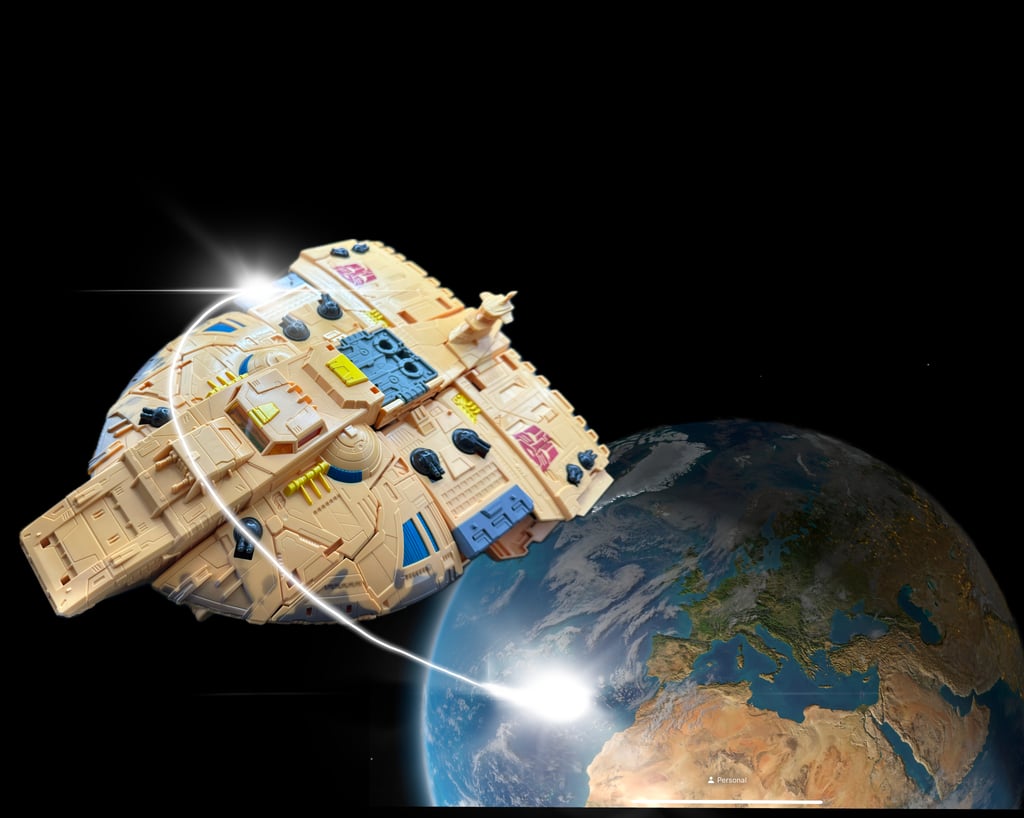
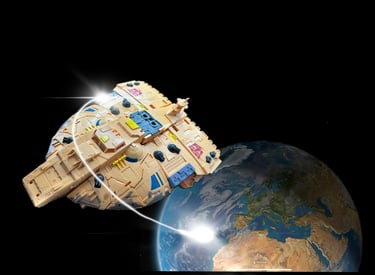
The Autobot’s “Ark”
I started by stating that as a science-fiction fan being into robots since I was 5, I find the current focus on robots and AI bemusing and amusing. Science-fiction has cautioned on the development of AI, hence why I also agree with the need for regulation. NVIDIA is actively researching the next level of AI for robotics. A fascinating potential, but one that science-fiction has flagged significant areas of risk.
And for those that know me well, that’s my risk management expertise kicking in!